Insurance for retail shops
Most shops carry general liability, property and business income, because a fall, a break-in or a burst pipe is how a shop usually gets hurt. Workers’ comp comes in with your first part-timer.
- Usually starts with
- Liability, property and income
- Often asked for by
- Landlords and mall managers
About five minutes. Your certificate is ready the day you buy.

What goes wrong on the shop floor
What happens most often to shops, and the policy that answers each one.
- General liability
01
A shopper trips on the rug
A curled corner or a box left in the aisle sends someone into a display. General liability typically covers their medical bills, and your defense if they sue.
- General liability
02
Something you sold hurts someone
A candle from your shelf starts a fire at a customer’s home, or a part comes off a toy. General liability usually includes products coverage for injuries and damage caused by goods you sell, subject to its terms.
- Property
03
A break-in overnight
Someone forces the back door and clears a rack and the register. Property insurance can help pay for the stock, the door and the fixtures. Losses you only find in a stock count, the kind shoplifting leaves, are often excluded.
- Business income
04
A burst pipe closes you for a month
Water ruins stock and flooring, and you can’t open during repairs. Business income can help replace lost income and pay rent and payroll while covered damage keeps you closed.
- Workers’ comp
05
A back injury in the stockroom
A part-timer lifts a heavy delivery off the truck and hurts their back. Workers’ comp pays for treatment and part of their wages while they recover, as your state’s rules set out.
- Cyber
06
Your online store is breached
Card details are skimmed from your web shop or point-of-sale system. Cyber insurance can help pay to notify customers, restore systems and handle legal costs.
The coverage shops carry
In the order most owners buy it. Quote them together and see every limit before you pay.
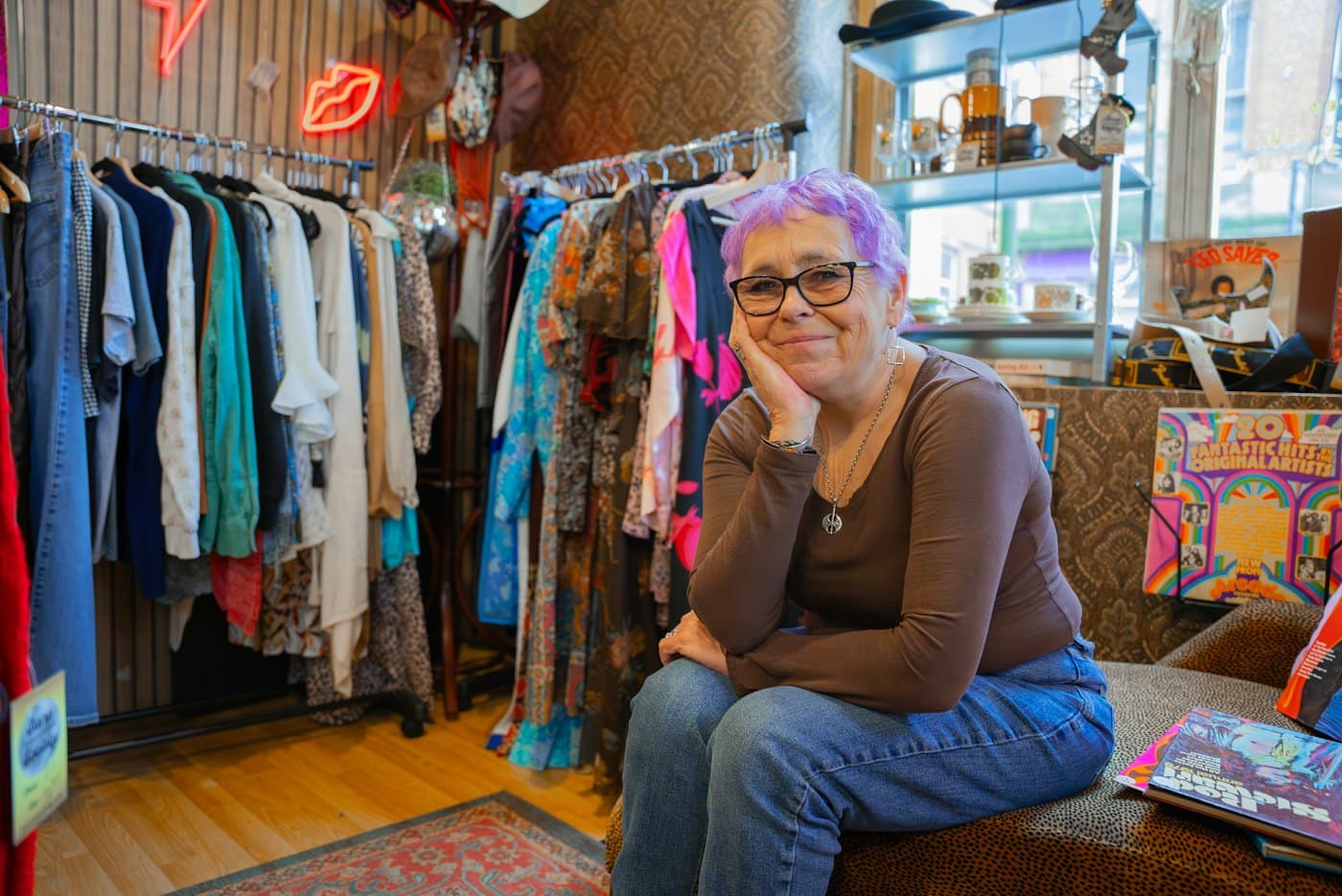
Numbers on the photo match the policies beside it.
- Most carry it01 General liability
For shoppers hurt in your store and products that cause harm. Landlords and mall managers ask for it first.
$1M / $2M - Most carry it02 Property
Stock, racks, displays, the register and anything you built into the space.
What you own - Most carry it03 Business income
A closure after covered damage still leaves rent, payroll and loan payments. It helps pay them until you reopen.
Up to 12 months - Once you hire04 Workers’ comp
Often required for part-time and seasonal staff too. Most states require it once you hire, and rules vary by state.
Set by state - If it applies05 Cyber
If you sell online or keep customer details in your point-of-sale system.
Up to $250K
Who will ask for proof
Your certificate is ready the day you buy, so you can send it as soon as someone asks.
Landlords and mall managers
Usually general liability at $1M per claim and $2M a year, with the landlord named as an additional insured. Many also ask for a waiver of subrogation, and some for proof of business income coverage.
Markets and pop-up organizers
Craft fairs, holiday markets and pop-up spaces often ask each vendor for a certificate naming them before setup.
Wholesale buyers
Stores that carry products you make may ask for general liability with products coverage, and to be named as an additional insured.
Franchisors
Franchise stores usually have minimum limits for each policy written into the agreement.
What moves your price
There’s no price on this page. Your quote is the real number, in about five minutes.
How much does business insurance cost?- 01What you sell, and whether you make any of it
- 02The value of your stock, including seasonal peaks
- 03Your annual sales
- 04Your location, alarms and locks
- 05How long it would take to reopen
- 06Your claims history
Keep claims small
Habits that make a claim less likely, and easier to settle when one happens.
Clear the aisles
Keep boxes out of walkways, tape down rug edges and check the entrance on wet days.
Alarm and light the back door
A monitored alarm, a solid lock and a light over the back door make a break-in less likely, and insurers may ask about them.
Insure for the holiday peak
If stock doubles before the holidays, make sure your property limit covers it. Check how your policy handles seasonal stock.
Back up your sales records
Keep sales and inventory records in the cloud. They make a property or business income claim much easier to prove.
Every kind of shop
Choose yours and the quote starts with it filled in.
Guides for shop owners
Longer answers to the questions below.
Shoplifting, break-ins and employee theft: what insurance covers9 min readHow business income claims are calculated10 min read What to do when a customer is hurt at your business9 min readInsurance requirements in a commercial lease9 min readHow business insurance works: premiums, limits and deductibles10 min readAdditional insured vs. certificate holder9 min read
 Hold harmless and indemnification clauses, explained9 min readHow to choose liability limits8 min read
Questions from
shop owners
What insurance does a retail store need?
Most shops start with general liability and property, and many add business income so a closure doesn’t sink them. Workers’ comp comes in once you hire. If you sell online, cyber is worth a look.
Does insurance cover shoplifting?
Usually not. Property policies typically cover theft with clear evidence, like a break-in, but often exclude inventory shortages you only discover in a count. Employee theft is usually covered by a separate crime policy.
Does my landlord’s insurance cover my stock?
No. Your landlord’s policy covers their building. Your stock, fixtures and the improvements you paid for need your own property coverage.
How does business income work after a burst pipe?
If covered damage closes your shop, business income can help replace the profit you would have made and pay ongoing bills like rent and payroll. It usually starts after a waiting period and lasts while you repair, up to your limit. The claim is based on your sales records, so keep them safe.
Can I be sued over a product I didn’t make?
Yes. People hurt by a product often name every business that sold it. General liability usually includes products coverage that can help with these claims, subject to its terms.
Do I need insurance for a pop-up or craft fair?
Usually, if the organizer asks for it, and most do. A general liability certificate naming the organizer is the common request. With Corgi, you can download or send your certificate from your account the day you buy.
Is flood damage covered?
Usually not. Property policies generally exclude flood, which needs separate flood insurance. A burst pipe is different and is often covered.
Cover your shop before the next rush.
Quote General liability, property, business income and workers’ comp together, and see every limit before you buy.